E-commerce import duty is changing. What sellers need to know to keep up
The duty exemption on low-value imports has been removed, and the price gap with Chinese goods is narrowing. There is an opening for domestic sellers, but only for the ones who prepare.

E-commerce import duty is changing. What sellers need to know
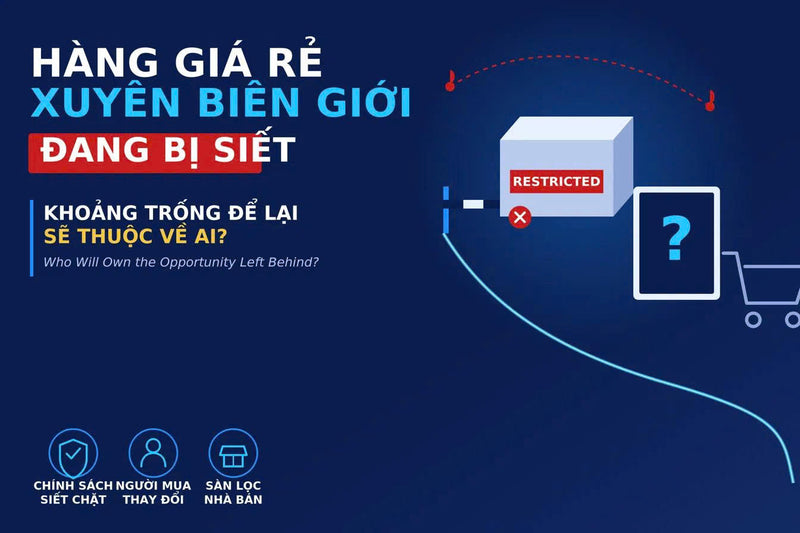
Cross-border e-commerce is entering a period of change as duty rules on low-value imports tighten.
These changes can hit selling price, operating cost and competitiveness directly for anyone selling on a marketplace.
What is changing
Low-value imports used to carry a certain tax advantage, which is how many cross-border products held a competitive price.
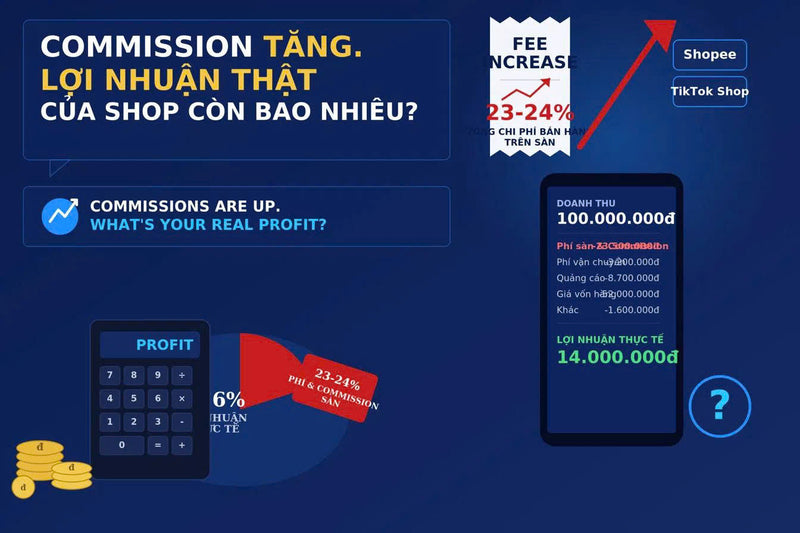
As the rules change, that price advantage narrows. Sellers therefore need to recalculate cost of goods, import cost, logistics and margin. This is why many shops are going back through their whole cost structure — see how to recalculate real profit in 30 minutes.
What will shoppers care about
As the price gap between imported and domestic goods narrows, customers will stop deciding on price alone. Fast delivery, clear provenance, a transparent returns policy and decent customer service will weigh more heavily on the decision.
The opening for domestic sellers
This is a chance for domestic sellers to compete harder, particularly on holding their own stock, delivering fast and supporting customers easily. But the advantage is not automatic — it requires focusing on the whole experience rather than competing on price.
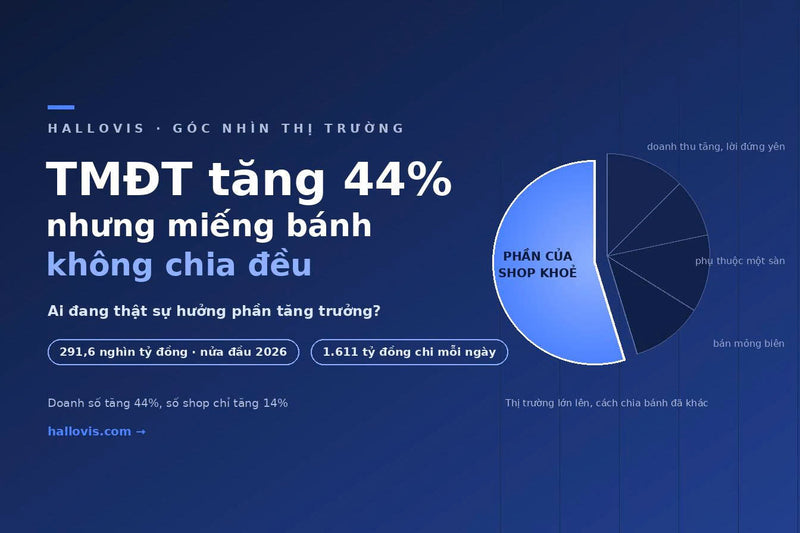
For the wider market picture, see Vietnamese e-commerce grew 44% but not every shop is getting a share of it.
Product data is becoming an advantage too
Alongside the duty changes, the way customers search is changing. AI shopping agents play a growing role in finding, comparing and recommending products. Sellers therefore need to standardise product name, attributes, material, size, price, images and stock. The clearer and more consistent the data, the easier it is for a system to understand the product and put it forward.
What sellers should prepare
Rather than focusing on price alone, sellers should prepare on three fronts:
1. Control cost: calculate duty, import charges and logistics correctly.
2. Build the domestic advantage: optimise stock, delivery and the returns policy.
3. Standardise data: make product information complete, accurate and consistent.
The game is changing
Import duty is not only a cost story. As the cheap-price advantage narrows, the competition shifts to value, speed, trust and experience. For sellers, understanding the rules and preparing early is the step that matters for 2026.
Need advice on solutions suitable for your industry?
Hallovis advises free of charge, matched to your scale and your sales channels. We reply within 01 to 02 business days.